
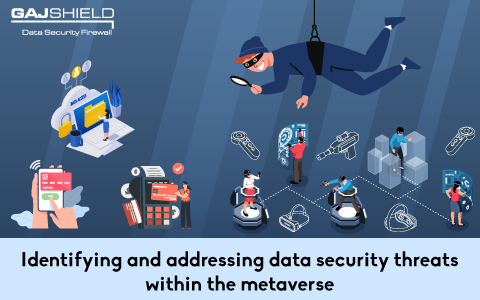
The metaverse is the hot property today and is expected to supplant the internet for good in the future. Therefore, it is hardly surprising that giant corporations, such as Microsoft, Meta, Google, Walmart, Amazon, Disney, and most others one can think of, are laying foundations and setting up their operations and services in the virtual realm.
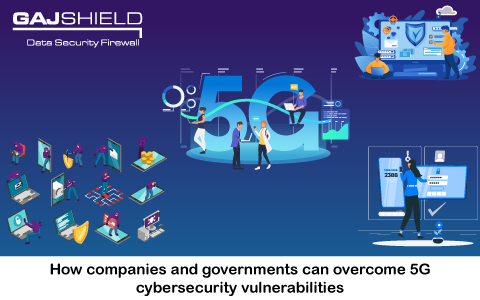
The power and scope of mobile data have come a long way. Once 3G was hailed as the fastest type of mobile data available. Then came 4G to dismantle all those notions. Now, 5G is here to elevate the speed, power, and scope-related aspects of mobile data yet again.
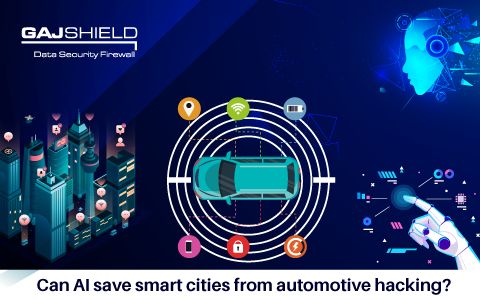
Smart cities will have intelligent connected vehicles and other connected automotive technology for easier data transfer and communication dynamically between vehicles, public bodies, and traffic authorities. Despite the promise of this premise, one can always imagine such vehicles to be vulnerable to instances of remote hacking or other kinds of data security attacks.
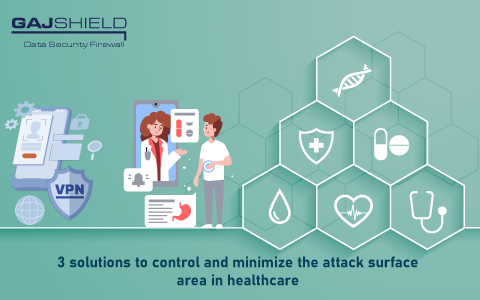
The attack surface, also known by some as the attack surface area, is the digital part of an organisation that is the most vulnerable to hacking and other hostile cyber threats. If a cybercriminal somehow gets access into the data network or database of an organisation, they can increase this surface area.
Get In Touch With Us
Subscribe to our Newsletter
2026 © GajShield Infotech (I) Pvt. Ltd. All rights reserved.